

Giải pháp Logistics Thông Minh và Tối Ưu Chuỗi Cung Ứng – Duplicate – [#3803]
Hệ thống quản lý vận tải, kho bãi và theo dõi hàng hóa theo thời gian thực. Sử dụng AI và IoT để dự đoán nhu cầu, tối ưu hóa lộ trình và giảm chi phí vận hành.
Hệ thống quản lý vận tải, kho bãi và theo dõi hàng hóa theo thời gian thực. Sử dụng AI và IoT để dự đoán nhu cầu, tối ưu hóa lộ trình và giảm chi phí vận hành.

Hệ thống tự động hóa nhà cửa thông minh, tích hợp điều khiển chiếu sáng, nhiệt độ, an ninh và giải trí qua ứng dụng di động hoặc giọng nói. Mang lại sự tiện nghi, an toàn và tiết kiệm năng lượng.
Hệ thống quản lý vận tải, kho bãi và theo dõi hàng hóa theo thời gian thực. Sử dụng AI và IoT để dự đoán nhu cầu, tối ưu hóa lộ trình và giảm chi phí vận hành.
Hệ thống tự động hóa nhà cửa thông minh, tích hợp điều khiển chiếu sáng, nhiệt độ, an ninh và giải trí qua ứng dụng di động hoặc giọng nói. Mang lại sự tiện nghi, an toàn và tiết kiệm năng lượng.

Machine learning is at the core of many modern technological marvels, from recommendation systems to self-driving cars. For those new to the field, understanding the fundamental algorithms can be daunting. This guide breaks down the most common types of machine learning—supervised, unsupervised, and reinforcement learning—explaining their principles, applications, and how they learn from data. We’ll provide clear examples to help you grasp these complex concepts.
Machine learning is at the core of many modern technological marvels, from recommendation systems to self-driving cars. For those new to the field, understanding the fundamental algorithms can be daunting. This guide breaks down the most common types of machine learning—supervised, unsupervised, and reinforcement learning—explaining their principles, applications, and how they learn from data. We’ll provide clear examples to help you grasp these complex concepts.
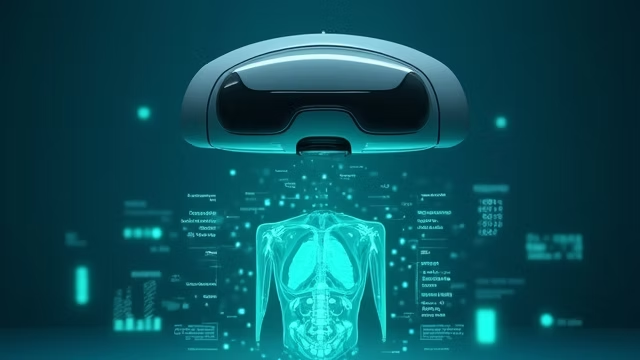
Artificial intelligence is rapidly revolutionizing the healthcare sector, offering unprecedented advancements in diagnostics, personalized treatment plans, and drug discovery. From AI-powered imaging analysis that detects diseases earlier to predictive analytics that anticipate patient needs, the integration of AI promises a more efficient, accurate, and accessible healthcare system. This article explores the latest breakthroughs and the ethical considerations involved in deploying AI in such a critical field.
Machine learning is at the core of many modern technological marvels, from recommendation systems to self-driving cars. For those new to the field, understanding the fundamental algorithms can be daunting. This guide breaks down the most common types of machine learning—supervised, unsupervised, and reinforcement learning—explaining their principles, applications, and how they learn from data. We’ll provide clear examples to help you grasp these complex concepts.
Machine learning is at the core of many modern technological marvels, from recommendation systems to self-driving cars. For those new to the field, understanding the fundamental algorithms can be daunting. This guide breaks down the most common types of machine learning—supervised, unsupervised, and reinforcement learning—explaining their principles, applications, and how they learn from data. We’ll provide clear examples to help you grasp these complex concepts.
Artificial intelligence is rapidly revolutionizing the healthcare sector, offering unprecedented advancements in diagnostics, personalized treatment plans, and drug discovery. From AI-powered imaging analysis that detects diseases earlier to predictive analytics that anticipate patient needs, the integration of AI promises a more efficient, accurate, and accessible healthcare system. This article explores the latest breakthroughs and the ethical considerations involved in deploying AI in such a critical field.


